Small Stages, Big Sound: How Sendai Became Japan's Most Unlikely Music Capital
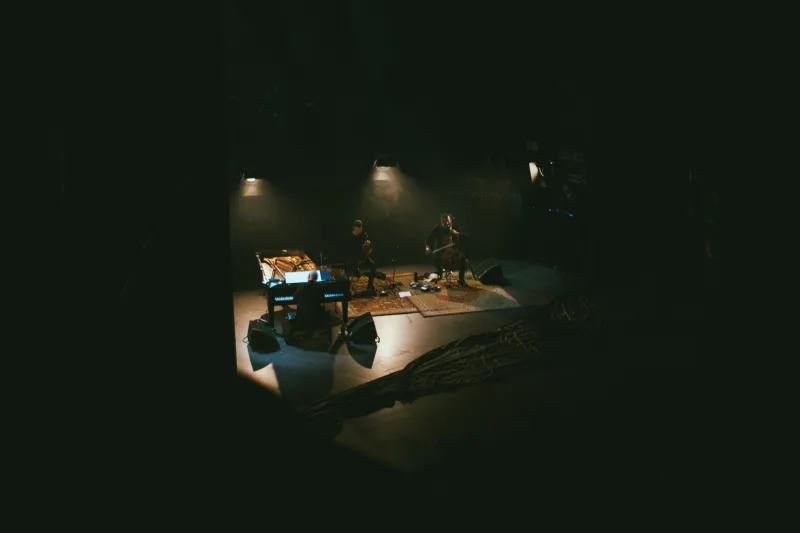
If you told most music fans that one of Japan's most exciting indie scenes wasn't in Tokyo, Osaka, or even Kyoto, they'd probably give you a skeptical look. But spend a few evenings wandering Sendai's Kokubuncho district—the city's buzzing entertainment corridor—and you'll start to understand. Behind unmarked doors and down narrow staircases, something genuinely interesting is happening.
Sendai isn't loud about it. That's kind of the point.
The Live House Culture That Started It All
In Japan, "live houses" are small, intimate venues—think capacity anywhere from 80 to 300 people—where bands play close enough that you can read the setlist off the guitarist's wrist. Sendai has an unusually dense concentration of them for a city its size. Venues like Club Junk Box, Darwin, and Macana have been anchoring the scene for decades, offering affordable stage time to acts that are still figuring out who they are.
For American audiences, the closest comparison might be the kind of club culture that launched Seattle's grunge movement or Austin's reputation as a live music city. The ingredients are similar: affordable rent, a college-town energy (Tohoku University brings tens of thousands of students into the city), and a local audience that actually shows up on a Tuesday night.
What makes Sendai different from those American analogues, though, is the sense of mutual investment. Venue owners here tend to stick around. The promoters who book shows in Sendai often grew up attending those same shows. There's a generational continuity to the scene that you don't always find in cities where rising real estate prices eventually push everyone out.
Why Geography Became an Advantage
Here's the counterintuitive part: being two hours from Tokyo by bullet train has actually helped Sendai's music scene rather than hurt it. Artists here aren't constantly bleeding talent to the capital the way smaller cities sometimes do. There's enough of a local audience, enough venues, and enough of a creative peer group that musicians can build a real career without ever needing to relocate.
That distance also creates a kind of creative pressure cooker. When you're not plugged into the constant noise of a major metropolitan scene, you develop your own aesthetic. Sendai's indie output has a particular character to it—introspective, often layered, not in a hurry to prove anything. If you've spent time with Japanese artists like Toe or Uchikubi Gokumon Doukoukai and wondered where that restrained intensity comes from, Tohoku's landscape and pace of life are part of the answer.
The region's electronic producers have been drawing particular attention internationally in recent years. Working out of home studios and shared creative spaces, a handful of Sendai-based artists have built followings on platforms like Bandcamp and SoundCloud that reach well into Europe and North America. They're not household names yet, but the trajectory is real.
The DIY Infrastructure Behind the Sound
One thing American indie music fans will immediately recognize is the self-built infrastructure. Sendai's scene runs on a web of independent record stores, zine-makers, and small labels that operate more like collectives than businesses. Vinyl culture is alive and well here—the kind of dedicated diggers who can spend an entire afternoon at a shop like Record Boy aren't a dying breed in Sendai, they're the backbone of the ecosystem.
There's also a healthy cross-pollination between music and Sendai's broader creative community. Graphic designers who do album art for local bands show up at gallery openings. Musicians collaborate with chefs on event pop-ups. The city is small enough that these worlds genuinely overlap, and the results tend to be interesting.
For anyone who's watched cities like Nashville or Portland develop their creative identities, Sendai offers a useful case study in what happens when you build a scene from the inside out rather than importing it.
What Sendai's Approach Gets Right
The most striking thing about talking to musicians in Sendai is how little anxiety there is about visibility. The race to go viral, to get playlisted, to break through to a mainstream audience—those pressures exist, but they don't seem to dominate the conversation the way they might in a larger city.
Part of that is cultural, certainly. But part of it is structural. When your rent is manageable and your rehearsal space doesn't cost a fortune, you can afford to take your time. You can make the record that's actually in your head rather than the one you think will get you a licensing deal.
American indie musicians, many of whom are increasingly priced out of the cities where scenes traditionally develop, might find something genuinely instructive in how Sendai does it. The city proves that creative density doesn't require a massive population or a globally recognized brand. It requires venues that stay open, audiences that keep showing up, and enough breathing room for artists to actually grow.
How to Experience It
If you're visiting Sendai, the best way to plug into the music scene is to simply show up. Check flyers posted in record stores and coffee shops around the Ichibancho and Kokubuncho areas. Cover charges at live houses are typically modest—often between 1,500 and 3,000 yen—and the experience of watching a genuinely talented band in a room that holds 150 people is something you won't forget.
The Sendai Jazz Festival, held each autumn, pulls the city's music culture into public plazas and parks in a way that's completely accessible even if you don't speak Japanese. But honestly, the real Sendai sound is happening on smaller stages, later at night, in rooms that don't show up on most tourist maps.
That's exactly how the city likes it.