The Tree That Named a City: Sendai's Sendan and the Roots of Resilience
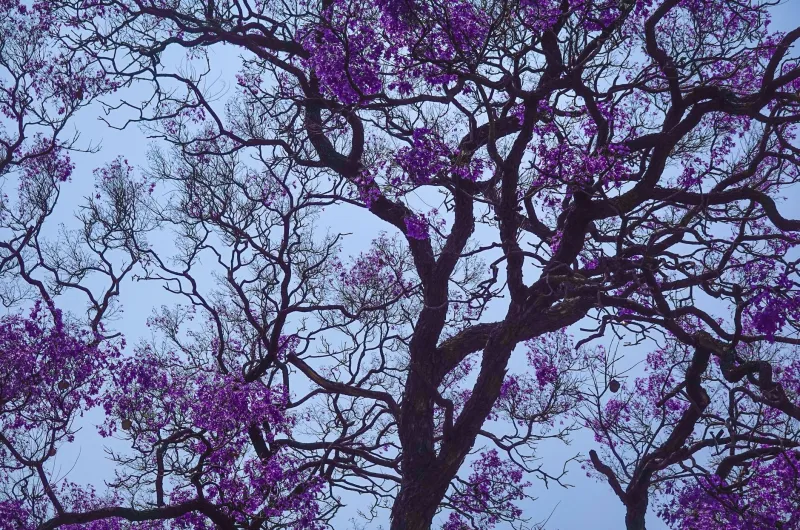
Most American cities have origin stories built around conquest or commerce. Sendai's is different. Trace the city's name back far enough, and you end up standing under a modest, lavender-flowering tree that the Japanese call sendan — what botanists classify as Melia azedarach, and what most English speakers know as the chinaberry tree. It's not a tree that commands attention the way a sequoia does. It doesn't tower. It doesn't roar. But it keeps showing up, in city seals, in old poetry, in the quiet corners of temple grounds, and in conversations with locals who understand, almost instinctively, why a city built on earthquake fault lines and floodplains would choose this particular plant as its emblem.
A Name With Deep Roots
The etymology of "Sendai" is a matter of some scholarly debate, but the most widely accepted reading connects the city's name to the old characters for senda — a word that referenced land thick with sendan trees. Before Date Masamune swept in during the late 1500s and transformed the region into the seat of a powerful feudal domain, the area was already being called something close to what it is today, and that name pointed directly at the landscape. The trees were simply there, lining the riverbanks and filling the lowland forests of what is now Miyagi Prefecture.
Hiroshi Mitsukawa, a retired botanist who spent three decades at Tohoku University studying native flora, puts it plainly: "The sendan wasn't chosen as a symbol. It was recognized as one. There's a difference." He means that nobody in some ancient planning meeting voted to make the chinaberry the city's defining plant. The tree was so characteristic of the terrain, so woven into the visual fabric of everyday life, that the name arrived organically — the way a nickname sticks because it just fits.
What Kind of Tree Is This, Exactly?
If you're from the American South, you may already know the chinaberry. It grows wild across Texas, Georgia, and the Carolinas — sometimes enthusiastically enough to be considered invasive. It's a medium-sized deciduous tree with clusters of small purple flowers in spring and waxy yellow berries that persist through winter. The berries are toxic to humans and many animals, which gave the tree a complicated reputation in folk traditions across multiple cultures. In parts of Japan, the wood was prized for crafting furniture and musical instruments. The fruit was used in traditional medicine, carefully and in small amounts.
What makes the sendan genuinely remarkable, though, is its stubbornness. Cut it down, and it sends up new shoots from the stump. Flood it, and it adapts. Drought it out, and it waits. In horticultural terms, it's described as a pioneer species — one of the first plants to colonize disturbed ground after a landscape event. Which, if you know Sendai's history, starts to sound less like botany and more like biography.
A City That Keeps Coming Back
Sendai has been destroyed and rebuilt more times than most American cities have existed. The firebombing of 1945 leveled huge swaths of the urban core. The 2011 Tōhoku earthquake and tsunami devastated coastal communities within the greater metropolitan area, leaving marks that are still visible today if you know where to look. And yet the city keeps regenerating — economically, culturally, architecturally. Locals will tell you this isn't stubbornness exactly. It's more like a deeply held understanding that recovery is simply what you do.
That's where the sendan starts to feel less like a historical footnote and more like a living metaphor. Keiko Arai, a historian at a Sendai cultural foundation who studies the relationship between urban identity and natural symbolism, describes it this way: "When we talk about the sendan in the context of Sendai, we're not being sentimental. We're being precise. The tree doesn't fight what happens to it. It absorbs the damage and redirects its energy. The city does the same thing."
She points to the way Sendai rebuilt its urban forests after 1945 — deliberately, patiently, with an eye toward canopy coverage that would have seemed almost utopian given the circumstances. Date Masamune had originally earned Sendai the nickname "the city of trees" by planting zelkova-lined boulevards throughout his castle town. That legacy got scorched out of existence in the war. The postwar city brought it back anyway, including replanting sendan trees in parks and along certain historical walkways as a kind of botanical memory.
Making Something From the Story
What's interesting to watch today is how Sendai's crafts community has started engaging with the sendan in more intentional ways. A handful of woodworkers and botanical artists in the city have begun sourcing sendan wood from urban pruning projects — material that would otherwise go to mulch — and turning it into small objects: spoons, jewelry boxes, botanical prints, pressed-flower compositions. The wood has a fine, even grain and a faint natural fragrance that darkens pleasantly with age.
One workshop in the Aoba district offers occasional classes where participants learn about the tree's history while working with its material — carving small utensils or creating botanical ink drawings from sendan leaves and berries. It's a quietly radical act, taking something most people walk past without noticing and asking them to slow down and actually make something from it. That's very Sendai. The city has always had this tendency to transform what it's given — or what it survives — into something worth keeping.
Why This Matters to Anyone Paying Attention
For visitors coming from the US, the sendan story offers a useful lens for understanding what makes Sendai feel different from other Japanese cities. It's not performing its history at you the way Kyoto does, with every surface polished for maximum heritage impact. Sendai wears its past more quietly. The tree that gave the city its name still grows here, unannounced, in corners of parks and along old temple walls. You could walk right past it.
But if you stop — if you actually look up the next time you're wandering through Nishi Park or cutting through the grounds of Osaki Hachimangu Shrine — you might find one. Purple flowers in late spring. Waxy berries catching the autumn light. A tree that's been here longer than the city's current name, longer than the castle, longer than the boulevards and the train lines and the neon.
Sendai is a city that bends and comes back. The sendan was doing that long before anyone thought to name a city after it.