Clay, Wheel, and a Little Bit of Chaos: Your First Pottery Workshop in Sendai
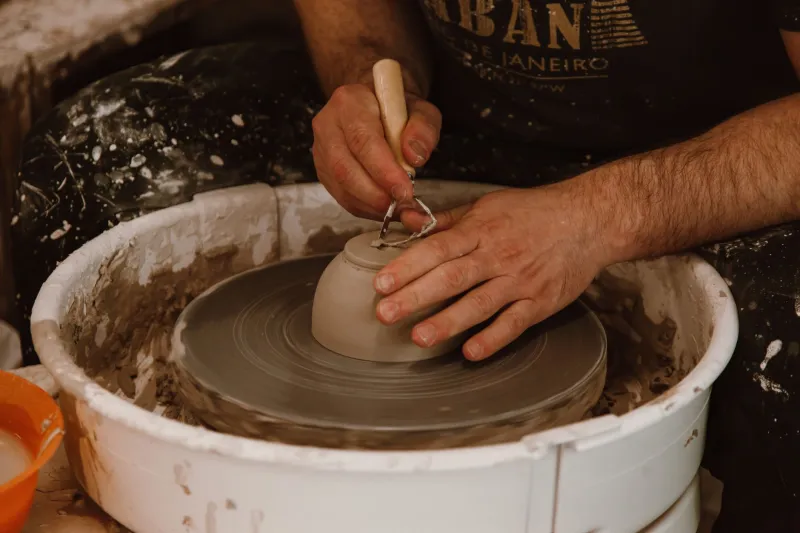
Let's get one thing out of the way immediately: your first pot is going to be ugly. It might collapse. It might spin off the wheel entirely. The instructor will probably have to save it at least once, and you'll laugh about it, and then you'll try again. That's the whole point.
Sendai has quietly become one of the more accessible places in Japan to try your hand at traditional pottery, with a cluster of studios and workshops that cater specifically to first-timers — including visitors from abroad who show up with zero skills and a lot of curiosity. For American travelers used to Japan's reputation for quiet formality, these workshops are a refreshing surprise. They're hands-on, a little messy, and genuinely fun.
Here's what you need to know before you go.
Why Sendai for Pottery?
Tohoku — the northeastern region of Japan where Sendai sits as the largest city — has a deep ceramics tradition rooted in local clay deposits and centuries of craft culture. The area's pottery isn't as internationally famous as, say, Kyoto's or Arita's, but that's almost an advantage. Local studios haven't been overrun by tourists, instructors still have time for you, and the work being produced reflects a regional aesthetic that's quieter and more austere than the polished ceramics you might see in department stores.
Sendai's post-earthquake rebuilding also brought renewed community interest in local crafts. Several studios that exist today were founded or reinvigorated in the years after 2011, as residents looked for ways to reconnect with physical, tangible making. That energy is still present — you can feel it in the way instructors talk about what they do.
What to Expect on Day One
Most beginner workshops in Sendai run between 90 minutes and three hours. You'll typically start with hand-building — using your palms and fingers to shape clay without a wheel — before moving to the wheel if the session includes it. Don't skip the hand-building portion even if the wheel sounds more exciting. Getting your hands into raw clay and learning how it responds to pressure is the foundation of everything else.
The wheel is where most first-timers both struggle and fall in love with the process. It requires a counterintuitive combination of pressure and release — you need to be firm enough to control the clay but relaxed enough not to fight it. Instructors describe it as a conversation rather than a wrestling match, which sounds abstract until the moment it suddenly makes sense.
Dress for mess. Clay will end up on your arms, your clothes, and possibly your face. Most studios provide aprons, but wearing clothes you don't mind getting dirty is a good call. Roll your sleeves up before you start.
Studios Worth Booking
Tsuchiya Ceramic Studio in the Aoba ward is one of the more beginner-friendly options, with English-language instruction available on request. Owner and lead instructor Michiko Tsuchiya spent time in Portland, Oregon before returning to Sendai, which means she's unusually good at explaining Japanese ceramic concepts in terms that land for Western visitors. Sessions here run about two hours and include wheel time. Pieces are fired and can be shipped internationally — a real plus if you want to bring your work home.
Tohoku Craft Lab, a newer collective space near Sendai Station, offers drop-in hand-building sessions on weekend afternoons. It's more casual than a formal studio — you might be working alongside local students or regular hobbyists — and the vibe is relaxed and communal. Staff speak enough English to get you through the basics, and the location makes it easy to fold into a day of exploring the city center.
For a more immersive experience, Kiln House Midori in the outskirts of the city runs half-day workshops that include a tour of their wood-fired kiln and a tea break with the instructors. It's a longer commitment, but the setting — a converted traditional house with a garden — is genuinely beautiful, and the instructors take the time to talk about regional ceramic history in a way that adds real depth to the hands-on work.
Prices across these studios range from about 3,000 to 8,000 yen for a session, depending on length and materials included. Book in advance, especially for weekend slots.
Real Talk from Real Students
Sarah K., a graphic designer from Chicago who visited Sendai last spring, did a two-hour session at Tsuchiya Ceramic Studio on a whim after seeing it mentioned in a travel forum. "I figured it would be a cute thing to do for an hour," she says. "I ended up staying the full session and buying a book about Japanese ceramics at the studio shop. I was not expecting to care that much."
Marcus T., a retired teacher from Atlanta who traveled to Tohoku specifically to explore craft culture, spent a full morning at Kiln House Midori. "The instructor talked about how the shape of a bowl is supposed to relate to how it feels in your hands when you drink from it. I'd never thought about a cup that way. I've been thinking about it ever since."
Both visitors noted that the language barrier was less of an obstacle than they expected. "A lot of pottery instruction is physical anyway," Sarah says. "They'd show me with their hands, I'd try it, they'd adjust. We didn't need that many words."
A Few Practical Notes
If you want your piece shipped home, arrange it at the time of your session — the studio will handle firing and international shipping, but it takes time. Budget four to six weeks for delivery and factor in a small shipping fee.
Most studios are reachable by subway or a short taxi ride from central Sendai. If you're booking a studio outside the city center, confirm transit options when you reserve — some spots are easier to reach by car.
Finally, go in without expectations about what you'll make. The goal of a first workshop isn't a beautiful object. It's the experience of making something with your hands in a tradition that predates everything you know. The bowl can be lopsided. It still counts.
The Longer Point
There's something specific that happens when you spend a few hours working with clay under the guidance of someone who has done it for decades. The pace changes. Your attention narrows to the thing in front of you. For most American visitors — used to optimizing every hour of a trip — it's an unfamiliar feeling, and a welcome one.
Sendai's pottery workshops aren't just a travel activity. They're an invitation to slow down, make something imperfect, and connect to a place through your hands rather than your camera. That's worth a morning of your trip, messy clothes and all.