Low Lights, High Notes: Inside Sendai's Jazz Scene Where the Real Players Hide
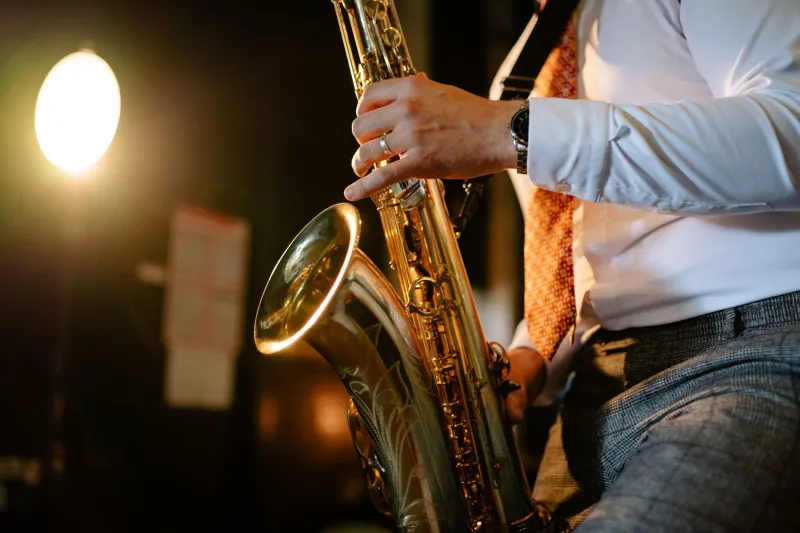
There's a moment that happens in certain jazz clubs — the one right after a song ends, before the applause starts. Just a beat of pure silence. In most cities, somebody rushes to fill it. In Sendai, people let it sit.
That detail tells you almost everything about what's happening in this city's jazz world. Sendai isn't Tokyo. It doesn't have the foot traffic, the industry showcases, or the kind of late-night economy that keeps a dozen major clubs running on any given Tuesday. What it has instead is something rarer: a small, deeply committed community of musicians who chose this city deliberately, built their own rooms, and developed a sound that nobody outside northeastern Japan was paying much attention to — until recently.
Why Sendai, of All Places?
Ask a Tokyo jazz musician about Sendai and you'll often get a shrug. Ask a Sendai musician why they stayed, and you'll get something closer to a manifesto.
Kenji Watanabe, a tenor saxophonist who played sessions in Osaka and Nagoya before settling in Sendai in the mid-2000s, puts it plainly: "In Tokyo, you're always performing for someone who might matter. A producer, a booking agent, someone with a budget. Here, you play for the room. That's it. And the room actually listens."
That listening quality — something Sendai locals might connect to the city's broader contemplative character, shaped in part by its forested hills and its long relationship with Buddhist practice — has made its way into the music itself. Sendai jazz tends toward the unhurried. Solos breathe. Rhythm sections leave gaps. It's closer in spirit to the mid-century American recordings that serious jazz heads still obsess over than to the technically dazzling but sometimes emotionally opaque performances you find in larger Japanese cities.
For American listeners raised on Miles Davis's Kind of Blue or the spacious piano work of Bill Evans, walking into one of Sendai's better rooms can feel like finding a conversation you didn't know you'd been missing.
The Rooms That Matter
Sendai's jazz scene is concentrated enough that regulars can map it in their heads without much effort. A few venues have become genuinely legendary among those who know.
Jazz Bar Pegasus, tucked into a basement near Kokubuncho — Sendai's entertainment district — has been operating since the late 1980s. The owner, a former drummer, built the room around a vintage sound system that he's maintained and upgraded over decades. The walls are lined with records. The cocktails are simple and strong. On weekend nights, the lineup tends toward hard bop and post-bop, with occasional forays into free jazz that clear out the casual visitors and delight everyone who stays.
A newer addition to the circuit is Ao, a smaller room in the Ichibancho area that leans more experimental. The musicians who play there are younger, more likely to blend jazz with electronic elements or noise, but they've absorbed the same unhurried sensibility that defines the older venues. There's no cover charge on most nights — just a drink minimum and an expectation that you're there to pay attention.
For visitors who want to catch a live set without committing to a full evening, Coffee & Jazz Hoshi opens early and runs acoustic sessions on weekend afternoons. It's a gentler entry point, and the coffee is excellent.
Misfits by Choice
What ties these spaces together isn't a genre or a sound — it's an attitude. The musicians who built Sendai's jazz scene are, almost universally, people who made a choice to opt out of something. Out of the career ladder. Out of the capital's exhausting social economy. Out of the idea that success has to look a certain way.
Yuki Inoue, a pianist and composer who teaches at a local music school and plays at Pegasus most Friday nights, spent three years in New York in her late twenties before coming home to Tohoku. "I learned so much in New York," she says. "But I came back because I wanted to make music that was mine, not music that fit a market. Sendai gave me that."
That independence has produced some genuinely interesting work. Several Sendai-based musicians have released recordings on small Japanese labels that have found audiences in Europe and the US — not through major promotion, but through the kind of slow, word-of-mouth discovery that jazz fans still do through record stores and online forums.
How to Plug In as a Visitor
If you're coming from the States and want to experience this scene firsthand, the approach is simple: slow down. Don't treat a jazz club visit like a box to check. Show up early, order something, and let the room come to you.
Most venues in Sendai have staff who speak at least some English, and musicians are generally happy to talk after sets — especially if you've been genuinely listening. Bringing up specific American musicians or records you love is a reliable way to start a conversation that could last until last call.
The scene is most active Thursday through Saturday, with some venues hosting sessions on Sunday afternoons. Admission ranges from free (with a drink minimum) to around 1,500–2,500 yen for ticketed shows. By American club standards, that's a bargain for the intimacy you're getting.
The Silence Is the Point
Sendai's jazz clubs aren't trying to compete with Tokyo, and they're not trying to be discovered. They exist because a specific kind of person — musician, listener, creative misfit — needed them to exist, and built them anyway.
That's the thing about truly underground creative communities: they're not underground because they failed to go mainstream. They're underground because the people involved made a conscious choice to stay there. In Sendai, that choice has produced something that feels increasingly rare — music made without an audience in mind, played in rooms where the silence between the notes is treated with as much care as the notes themselves.
For American jazz lovers who've started to feel like the music has gotten too loud, too busy, too eager to impress, that silence might be exactly what you came looking for.