Don't Mess With the Miso: Inside Sendai's Fiercely Guarded Ramen Culture
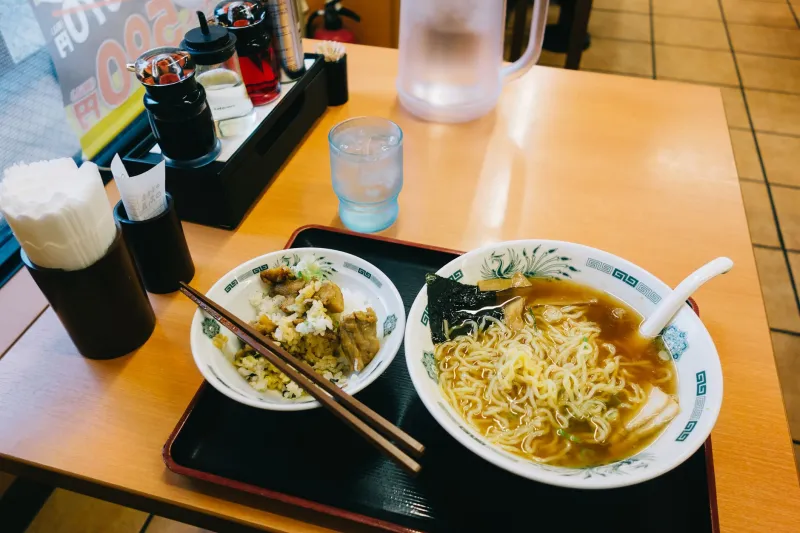
If you've ever wandered into a ramen shop in Tokyo, slurped your way through a bowl of Sapporo's famous version, or — heaven forbid — declared your loyalty to a chain restaurant's interpretation, a Sendai local would like a word with you. Maybe several words. Delivered firmly, over a steaming bowl of something you clearly don't understand yet.
Sendai's miso ramen doesn't get the same international hype as tonkotsu or shoyu styles. It doesn't have a Netflix documentary. It hasn't been remixed by a celebrity chef in New York or Los Angeles. And that, frankly, is exactly the point. The people of Sendai's Miyagi Prefecture have spent generations building something they never intended to share with the world on the world's terms — and they're not particularly interested in your fusion take on it.
The Bowl That Belongs to Nobody Else
To understand why Sendai's miso ramen carries such emotional weight, you have to understand what miso means to this region in the first place. Sendai miso — known as Sendai miso or Kara miso — is a darker, saltier, longer-fermented variety that dates back to the feudal era. It was reportedly a staple for Date Masamune's armies, the one-eyed warlord whose legacy still looms large over the city. When you're cooking for samurai, you don't cut corners.
That tradition of uncompromising preparation carried directly into the ramen shops that began popping up across the city in the postwar period. Sendai's miso ramen took the region's signature paste and built a broth around it that was richer, more complex, and frankly harder to make than most other regional styles. The result is a bowl with serious depth — earthy, slightly funky, warming in a way that feels less like comfort food and more like a firm handshake from someone who respects you.
The Unwritten Rules (And Yes, They're Real)
Ask a Sendai native what makes their miso ramen authentic, and you'll get an answer that sounds less like a recipe and more like a code of conduct. The broth must be made fresh, never from a powder or concentrate. The miso base should be stirred directly into the soup at high heat — not added cold, not pre-blended in bulk. The noodles should be wavy and medium-thick, with enough chew to hold up against the aggressive broth without going soft. Toppings are minimal and purposeful: chashu pork, green onions, a soft-boiled egg, maybe a pat of butter that melts slowly into the surface.
Nobody wrote these rules down in an official document. Nobody had to. They've been passed from cook to cook, parent to child, master to apprentice across decades of daily service. Walk into the wrong shop and order something that deviates from the template, and the person behind the counter might not say anything. But the regulars at the next table will notice.
The Family Shops That Keep the Flame
The backbone of Sendai's ramen scene isn't a trendy restaurant group or a Michelin-starred destination. It's a collection of family-run shops, many of them operating out of spaces barely large enough to seat fifteen people, that have been perfecting their single recipe for thirty, forty, sometimes fifty years.
These aren't places that update their menu seasonally or pivot to keep up with food trends. The owner's grandmother developed the broth ratio. The owner's father refined the noodle supplier relationship. The current owner shows up before dawn to start the stock and closes up after the last customer leaves at night. There is no shortcut because the shortcut would be a betrayal — not just of the food, but of everyone who came before.
For American visitors used to restaurant culture where reinvention is celebrated and "elevated classics" are a selling point, this can feel almost confrontational. It's not. It's a different kind of respect — one that says the original version was good enough to dedicate a life to, and that's not a limitation, it's a commitment.
When Outsiders Try to "Help"
Sendai has a complicated relationship with culinary tourism, and miso ramen sits right at the center of that tension. As Japan's food culture has gone increasingly global, well-meaning chefs and food entrepreneurs from outside the region have occasionally tried to put their own spin on the local style — adding truffle oil, swapping the miso for a lighter variety, or building a "Sendai-inspired" bowl that trades authenticity for Instagram appeal.
Locals notice. And they talk about it.
This isn't pure gatekeeping for its own sake. It comes from a genuine fear that what makes the dish meaningful — the specificity, the restraint, the accumulated knowledge baked into every step — gets lost when someone decides the bowl needs to be more accessible or more exciting. A miso ramen that's been "improved" is, by local logic, a miso ramen that's been emptied out.
There's a lesson in there for anyone who travels to eat. Sometimes the most respectful thing you can do with someone else's food tradition is just show up, order the thing they've always made, and pay attention.
How to Eat It Right (According to Sendai)
If you're planning a trip and want to experience Sendai's miso ramen the way it's meant to be eaten, a few practical notes. First, go for lunch — many of the best spots close once they've sold out of the day's broth, and they will sell out. Second, don't ask for modifications. The shop has already made every decision that needs to be made. Third, eat quickly. Miso broth gets stronger and saltier as it sits, and the noodles absorb liquid fast. The window for a perfect bowl is maybe ten minutes.
And finally: don't take a lot of photos before you eat. The regulars will judge you, quietly, and they won't be wrong.
Why This Matters Beyond the Bowl
Sendai's miso ramen culture is really a story about what happens when a community decides that some things are worth protecting exactly as they are. In a food world obsessed with novelty, there's something genuinely radical about a city that looks at its signature dish and says: we're done. This is it. Come try it.
For Americans who've watched regional food traditions get diluted, franchised, or rebranded into something unrecognizable, there's a lot to admire in that stance — even if the delivery is a little stern. Sendai didn't build this tradition to impress outsiders. It built it because the people who live here deserve something real.
The bowl is waiting. Just don't ask them to put truffle oil on it.