Off the Tourist Map: The Scrappy, Surprising World of Sendai's Independent Art Scene
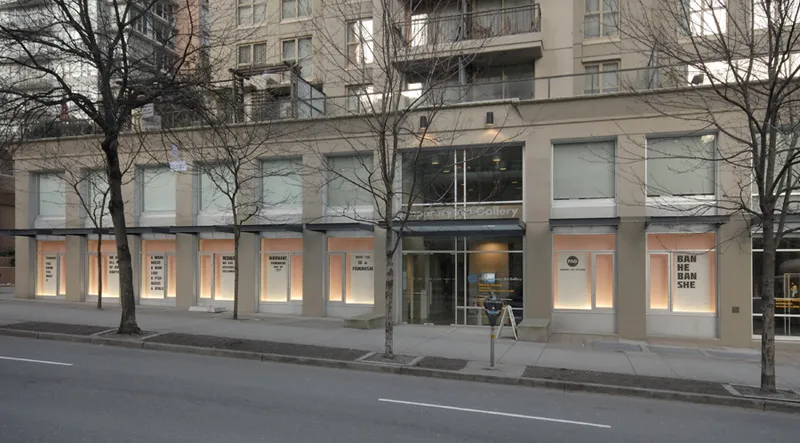
Photo: Scott Massey, CC BY 3.0, via Wikimedia Commons
Let's be honest: Sendai doesn't get mentioned in the same breath as Tokyo or Osaka when people talk about Japan's art scene. That's mostly fine with the people actually making art here. There's a particular energy that develops in cities where the rent is lower and the spotlight is pointed somewhere else — a freedom to experiment, to be weird, to build something without worrying too much about whether it scales.
Sendai has that energy right now. And if you know where to look, it's one of the most interesting things about the city.
Why Sendai, and Why Now?
The 2011 Tōhoku earthquake and tsunami left deep marks on the region — physically, economically, emotionally. But the decade-plus of rebuilding that followed also created unexpected openings. Vacant buildings became available. Community bonds tightened. A generation of young people who chose to stay in or return to Sendai rather than migrate to Tokyo found themselves with something to say and, gradually, spaces to say it in.
This isn't a story unique to Sendai — similar dynamics have played out in post-industrial American cities like Detroit and Pittsburgh, where economic contraction paradoxically freed up space for creative communities to take root. But in Sendai, the combination of a large student population (the city has several major universities), a relatively affordable cost of living by Japanese standards, and a civic culture that's been open to reinvention has produced something genuinely worth paying attention to.
The Venues Doing the Heavy Lifting
Sendai's independent art scene doesn't have one central address. It's distributed — a gallery here, a project space there, a coffee shop with rotating exhibitions in a neighborhood you'd never otherwise wander into. That's part of what makes it interesting and, admittedly, part of what makes it a little tricky to navigate.
Sendai Mediatheque is the most prominent institution bridging the gap between official culture and independent expression. Designed by architect Toyo Ito and opened in 2001, the building itself is a statement — a glass-and-steel structure that looks like light filtered through kelp. It survived the 2011 earthquake and became a community hub in the disaster's aftermath, which cemented its role as more than just an arts venue. Today it hosts exhibitions, film screenings, and community workshops, with a programming philosophy that genuinely leans toward the experimental. It's a good starting point for understanding what Sendai's creative community values.
Beyond Mediatheque, the more interesting discoveries tend to happen in the city's side streets. The Ichibancho and Kokubuncho areas — best known to most visitors as the nightlife and dining district — have seen a quiet infiltration of small galleries and project spaces operating out of upper-floor rooms and back-alley storefronts. These aren't always well-signed. Some operate on limited hours. A few exist in a semi-permanent state of almost-closing. That's kind of the point.
The Sendai Izumi area and parts of Aoba Ward have also developed pockets of creative activity, particularly around ceramics, textile arts, and photography. Independent photographers in Sendai have built a particularly strong community, with regular group shows and zine culture that would feel at home in Brooklyn or Portland.
Street Art and the Conversation Happening on Sendai's Walls
Japan isn't typically associated with street art in the way that cities like Berlin, São Paulo, or Los Angeles are. Graffiti culture exists but operates in a different register — more often sanctioned, more frequently tied to specific events or festivals rather than ongoing unsanctioned expression.
Sendai has its own version of this. Around the Tohoku University area and in some of the city's older commercial neighborhoods, you'll find murals and paste-up work that reflects a distinctly local sensibility — imagery that pulls from Tohoku folklore, references to the 2011 disaster and recovery, and the kind of dry, self-aware humor that shows up a lot in Japanese youth culture. It doesn't announce itself loudly, but if you're walking with your eyes open, it's there.
A handful of local artists have built reputations through this work, gaining followings on social media that extend well beyond Sendai. Some have transitioned into gallery work; others keep the street as their primary medium by choice. Either way, the wall-based work functions as a kind of running conversation about what Sendai is and what it's becoming — one that runs alongside, and sometimes in tension with, the city's more official cultural narratives.
The People Making It Happen
Art scenes run on people, not venues. Sendai's creative community has a few recurring figures worth knowing about — not because they're famous in any mainstream sense, but because they represent the connective tissue that makes a scene cohere.
You'll find artists who came to Sendai for university and never left, drawn by a city that felt more manageable than Tokyo without sacrificing the cultural stimulation they needed. You'll find craftspeople who've deliberately positioned their work at the intersection of traditional techniques and contemporary aesthetics — kokeshi painters who show in galleries rather than souvenir shops, textile artists referencing aizome dyeing traditions in work that could hang in a contemporary art context.
There are also the organizers: people running small zine fairs, coordinating open studio events, maintaining the informal networks that keep independent venues alive. In most cities, these people are invisible to visitors. In Sendai, if you spend a few days in the right spaces and strike up a conversation, you'll run into them. They're generally not hard to talk to.
How to Actually Experience This as a Visitor
A few honest suggestions:
Go slow. The independent art scene in Sendai isn't built for the two-hour cultural pit stop. Spend an afternoon in Mediatheque, then walk the surrounding streets. Eat somewhere local. Come back in the evening when the galleries in Kokubuncho are more likely to be open.
Check event listings. Sendai's creative community clusters around events — open studio weekends, small music and art festivals, one-night shows in unusual venues. The city's tourism office maintains some listings, but local social media accounts and community boards (often in Japanese, but Google Translate handles them reasonably well) are more reliable for independent events.
Talk to people. This sounds obvious, but it's genuinely the best tool you have. Baristas, gallery staff, the person running a record shop — Sendai's creative community is small enough that almost everyone knows everyone. A single good conversation can unlock an afternoon of discoveries that no guidebook would find.
Lower your expectations about English. Most of the independent spaces in Sendai don't cater specifically to international visitors. That's not unwelcoming — it's just the reality of a scene that exists primarily for and by local people. Come with curiosity and patience, and the language gap becomes much less of a barrier than you'd expect.
The Bigger Picture
What Sendai's underground art scene ultimately reflects is a generational shift happening across Japan — a move away from the assumption that Tokyo is the only place where culture gets made, and toward a more distributed, locally-rooted sense of creative identity. Sendai is one of the places where that shift is visible in real time.
For American visitors, there's something familiar and something genuinely foreign about it. The dynamics — young creatives reclaiming overlooked urban spaces, building scenes outside mainstream channels — echo what's happened in countless American cities. But the specific textures, the way Tohoku history and culture inflect the work, the particular Japanese relationship between tradition and experimentation — that's something you can only find here.
Which is, ultimately, the best reason to go looking for it.