After Dark in Sendai: Your No-Nonsense Guide to a Night Out in Japan's Friendliest City
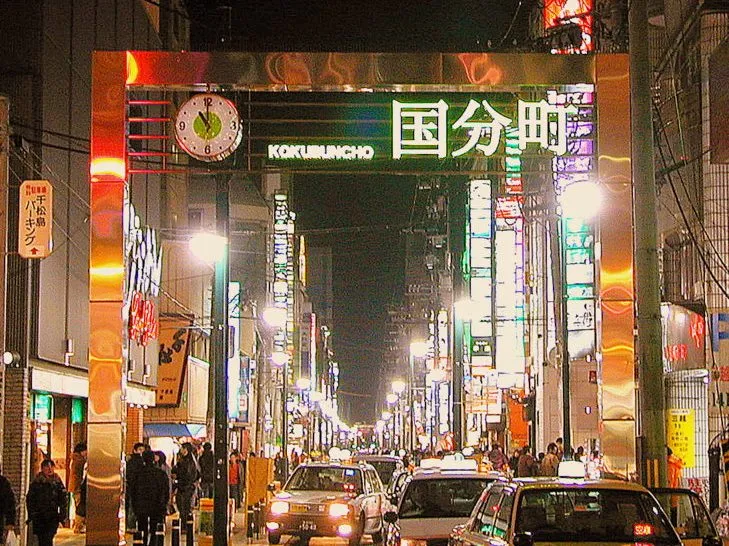
Photo: Kokubuncho-dori_ave._viewed_from_Jozenji-dori_ave..jpg: neuropower derivative work: Osxlib0422 (talk), Public domain, via Wikimedia Commons
Let's be real about Tokyo nightlife for a second. It's incredible, yes. It's also expensive, occasionally intimidating, and sometimes feels like you need a local contact and a firm grasp of unspoken dress codes just to get through the door of anything worth going to. Sendai is the opposite of that experience. This is a city where a solo traveler can walk into a tiny counter-seat izakaya at 7 p.m., point at something on a menu they don't fully understand, and end up sharing sake with a table of salarymen who are delighted — genuinely delighted — to have someone new to talk to.
That's the vibe. And once you experience it, Tokyo's exclusivity starts to feel a little exhausting by comparison.
Start Where Everyone Starts: Kokubuncho
Sendai's entertainment district, Kokubuncho, is the kind of place that looks a little rough around the edges until you're inside it, and then it feels exactly right. Running roughly parallel to the Hirose River, this strip of narrow streets and vertical neon signs packs in an almost absurd density of bars, izakayas, karaoke boxes, clubs, and restaurants, all layered into buildings that seem to have sprouted additional floors organically over the decades.
On a Friday evening, the energy hits you before you even turn the corner. Office workers still in their work clothes are loosening their ties outside konbinis. Groups of university students are debating which door to walk through. Older couples are heading into places they've been going to for twenty years. It's chaotic in the best possible way, and it's almost impossible to have a bad time if you're willing to just pick a door and walk through it.
The golden rule of Kokubuncho: the smaller the sign, the better the bar. Look for places where you can see the bartender from the street. Look for handwritten menus taped to the window. Look for the spot with exactly four stools at the counter and a proprietor who clearly takes their shochu selection very seriously.
The Izakaya Experience, Explained for First-Timers
If you've never done a proper Japanese izakaya night, Sendai is one of the best places to learn. Think of it like a cross between a tapas bar and your favorite neighborhood pub — you order small plates as you go, drinks arrive quickly, and nobody is rushing you out the door. The whole point is to settle in.
Sendai's izakayas lean heavily on local ingredients, which is genuinely exciting because Tohoku's larder is exceptional. You'll find grilled beef tongue — the city's most famous culinary export — showing up on izakaya menus alongside fresh seafood pulled from the Pacific, pickled vegetables that taste like someone's grandmother made them (because someone's grandmother probably did), and regional sake from breweries tucked into the mountains west of the city.
A few spots worth knowing about: the covered arcade area around Ichibancho has a cluster of izakayas that stay packed until well past midnight, and many of them have picture menus or English signage, which makes ordering less of an adventure if you're still getting your sea legs. Once you're comfortable, venture into the smaller alleys branching off Kokubuncho — that's where the real character lives.
Craft Cocktails in a City That Wasn't Supposed to Have Them
Here's something that surprises a lot of visitors: Sendai has a genuinely impressive craft cocktail scene. This isn't something you'd expect from a mid-sized city in the Tohoku region, but a handful of bartenders here have built bars that could hold their own in any American city that takes its drinking seriously.
The movement tends toward Japanese whisky-forward menus — Sendai sits within reasonable distance of some of Tohoku's whisky distilleries — but the better spots are also doing interesting things with local fruit liqueurs, house-infused spirits, and cocktail structures that borrow from classic Japanese flavor profiles without being gimmicky about it. Yuzu, miso, and shiso show up not as novelty ingredients but as genuinely functional components in drinks that are worth thinking about.
Prices are shockingly reasonable compared to what you'd pay for equivalent quality in New York or San Francisco. A well-made cocktail at a serious Sendai bar might run you 800 to 1,200 yen — roughly six to nine dollars at current exchange rates. Order two. You've earned it.
Live Music and the Late-Night Shuffle
Sendai has a music scene that punches well above its weight, partly because of the university population and partly because the city has always had a slightly rebellious creative streak running through it. There are live houses — that's the Japanese term for small music venues — scattered through Kokubuncho and the surrounding neighborhoods, and on any given weekend night you can find jazz, indie rock, electronic sets, or traditional Japanese folk music being performed for audiences of thirty to two hundred people in rooms that feel intimate in all the right ways.
Jazz has a particularly strong foothold here, which makes sense given that the city hosts one of Japan's biggest jazz festivals every September. But the genre diversity is real — check local listings when you arrive, because you might stumble into something you wouldn't have gone looking for and end up staying until last call.
For something distinctly Japanese, the karaoke boxes in Sendai are excellent, cheap, and absolutely worth doing at least once. Unlike karaoke bars in the US where you perform for strangers, Japanese karaoke means renting a private room with your group — you can order food and drinks from a tablet, stay for hours, and absolutely belt out whatever you want with zero judgment from anyone except your friends.
The 3 a.m. Question: Where Do You End Up?
Late-night Sendai has a reliable answer to the hungry-after-midnight problem: ramen. The city's ramen culture is serious — Sendai-style tends toward a rich, somewhat salty broth that's exactly what your body wants after a long night of izakaya hopping. Several shops near Kokubuncho stay open until 4 or 5 a.m. specifically to serve the after-bar crowd, and the quality doesn't drop just because it's late.
There's also a convenience store culture here that, if you haven't experienced Japanese konbinis yet, will genuinely change how you think about late-night snacking. These aren't 7-Elevens in the American sense. The onigiri are freshly made, the hot food case is legitimately good, and you can pick up a cold Sapporo and a bag of edamame and find a spot on the riverbank near the Hirose River to just sit and watch the city wind down.
Sendai after dark isn't trying to be anything other than what it is: a city full of people who work hard, eat well, drink thoughtfully, and genuinely enjoy each other's company. Show up with an open mind and comfortable shoes, and it'll take care of the rest.