Skip Tokyo: Sendai Is Where Japan's Best Coffee Is Actually Being Made
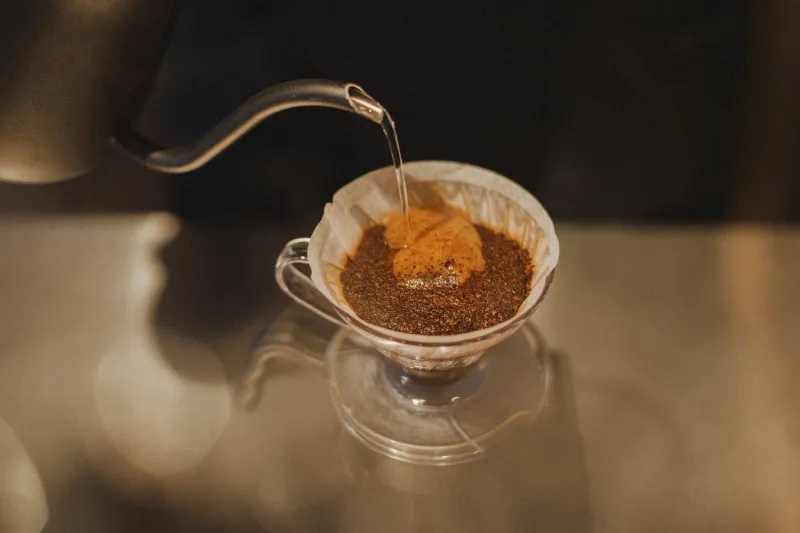
Here's something that surprises a lot of American travelers when they land in Sendai: the coffee is really, really good. Not convenience-store-hot-can good. Not chain-café good. We're talking full-on, third-wave, single-origin, the-barista-just-explained-the-elevation-of-this-Ethiopian-farm good.
Sendai doesn't exactly market itself as a coffee destination. It's better known for beef tongue, its samurai legacy, and the Tanabata festival. But tucked between the izakayas and ramen shops of Ichibancho and scattered through the quieter residential neighborhoods to the west, a small but fiercely passionate community of roasters and café owners has built something genuinely special — a coffee scene that regulars will tell you, in hushed and slightly smug tones, rivals anything you'd find in Tokyo or Kyoto.
They're not wrong.
Why Sendai? Why Now?
The rise of specialty coffee in Sendai isn't accidental. It follows a pattern that coffee nerds in the US will recognize from cities like Portland, Nashville, or Richmond — mid-sized cities where lower overhead costs let creative entrepreneurs take real risks. When rent isn't crushing you, you can afford to import a $4,000 Kalita Wave setup, spend three months dialing in a new Guatemalan natural process, and charge prices that keep the lights on without pricing out your regulars.
Sendai's affordability compared to Tokyo is a huge part of the story. A roaster who might burn through their savings in six months trying to launch in Shibuya can actually build something sustainable here. And because the city has a large student population — Tohoku University is one of Japan's most prestigious — there's a built-in audience of curious, budget-conscious coffee drinkers who are genuinely open to trying something new.
Add in the city's long-standing culture of craft and quality (this is a place that takes its food seriously), and the ingredients were always there. Someone just had to light the match.
The Roasters Leading the Charge
The names that keep coming up in conversations with local coffee lovers form a loose but interconnected community. These aren't competitors so much as collaborators — people who share sourcing contacts, swap feedback on roast profiles, and occasionally show up at each other's pop-up events.
Several of Sendai's standout micro-roasteries have built their reputations on transparency: they post detailed tasting notes, list the farms and cooperatives they source from, and in some cases, have made origin trips to Central America and East Africa to build direct relationships with producers. That kind of sourcing story resonates with a growing segment of Japanese consumers who, much like American third-wave coffee fans, want to know where their cup is coming from.
What sets Sendai's roasters apart from the more clinical, minimalist aesthetic that sometimes dominates specialty coffee in bigger Japanese cities is a certain warmth. The cafés here feel lived-in. There are plants in the windows, jazz or city pop on the speakers, and a genuine sense that the person behind the counter is happy you walked in. That hospitality — what the Japanese call omotenashi — blends seamlessly with the coffee-geek enthusiasm in a way that makes these spots incredibly easy to spend an afternoon in.
The Café Experience: What to Expect
If you walk into one of Sendai's specialty coffee spots expecting a quick grab-and-go, you might need to recalibrate. These are places designed for slowing down. Most offer multiple brew methods — V60, Chemex, AeroPress, siphon — and the baristas genuinely want to help you pick the right one for what you're in the mood for. Speak even a little Japanese and you'll unlock a whole conversation. Speak none and you'll still be taken care of; most of the staff at the more internationally-minded spots have enough English to walk you through the menu.
Pricing is surprisingly approachable by American standards. A well-crafted pour-over typically runs between 600 and 900 yen — call it five to seven dollars — which feels almost shockingly reasonable for the level of care involved. Espresso-based drinks are similarly priced, and many spots offer small food pairings: house-made cookies, local pastries, or occasionally something more elaborate that reflects the owner's culinary side interests.
The spaces themselves range from tiny counter-only rooms that seat maybe eight people to slightly larger neighborhood joints with communal tables and rotating art on the walls. A few have small retail sections where you can buy bags of their house roasts to take home — genuinely one of the better souvenirs you can bring back from Japan, and way easier to pack than lacquerware.
Coffee and Community
One of the things that makes Sendai's coffee scene feel different from the more performance-oriented café culture of Tokyo is how embedded it is in the local community. These aren't spots designed primarily to be photographed for Instagram (though they're plenty photogenic). They're neighborhood anchors. Regulars come in with their laptops, meet up with friends, work through problems, celebrate small wins.
That community dimension has also started to attract visitors from outside the city — Japanese coffee enthusiasts making weekend pilgrimages from Fukushima or Yamagata, and an increasing trickle of international travelers who've done their research and know that Sendai punches way above its weight in the cup.
Local coffee events have become a thing too. Cuppings, brewing workshops, and occasional pop-up collaborations between roasters and local bakeries or natural wine importers give the scene a dynamism that keeps even longtime residents engaged. It's the kind of ecosystem that feeds on itself — more good coffee means more coffee-curious people, which means more demand, which means more roasters willing to push the craft further.
Finding Your First Cup
If you're planning a trip to Sendai and want to explore the coffee scene, the good news is that most of the standout spots are reasonably central and walkable from the main shopping and dining areas around Ichibancho and Kokubuncho. A few of the more neighborhood-focused roasters are worth the short subway or bus ride — think of it as an excuse to see a more residential, everyday side of the city that most tourists never get to.
Coming from the US, you'll feel right at home in the ritual: walk in, check out the bean menu on the chalkboard, ask a few questions, find a seat, and let the coffee do the talking. The language barrier is real but rarely a dealbreaker, and the universal vocabulary of a well-pulled espresso or a clean, bright pour-over transcends whatever gap remains.
Sendai has always been a city that rewards the traveler willing to look a little closer. The coffee scene is just the latest proof of that. Get here before everyone else figures it out.