Behind the Paper Screen: Sendai's Secret Geisha World That Tourists Never See
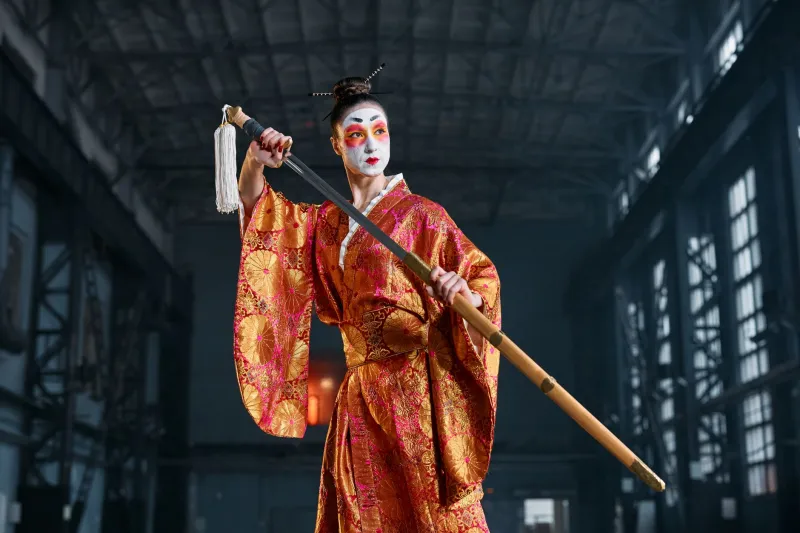
There's a part of Sendai that doesn't show up on travel blogs. It doesn't have an English-language website, it doesn't offer walk-in reservations, and it definitely doesn't have a TripAdvisor page. But on certain evenings, in a quiet pocket of the city not far from the Hirose River, the sound of a shamisen drifts through a paper-screened window, and something old and extraordinarily refined is happening just out of reach.
This is Sendai's hanamachi — its geisha district. And if you've never heard of it, that's kind of the point.
A Tradition That Survived Everything
Sendai was heavily bombed during World War II. The city that exists today is largely a postwar rebuild, which is part of why it often gets skipped over by visitors hunting for "old Japan." But the geisha culture here didn't disappear with the original architecture. It adapted, contracted, and quietly kept going — the way a lot of things in Sendai do.
The hanamachi centered around the Kokubuncho district, Sendai's traditional nightlife quarter, has roots stretching back several hundred years. During the Edo period, Sendai was a castle town of serious political weight — Date Masamune, the famous one-eyed daimyo who built this city into a regional powerhouse, ran a sophisticated court culture that naturally included high-level entertainment. Where there's that kind of wealth and political theater, geisha aren't far behind.
What survived into the modern era is smaller than what existed before the war, and far smaller than what you'd find in Kyoto or Tokyo. But that's not the same as gone.
Why It's Nothing Like What You've Seen in Movies
Let's deal with the obvious thing first. Most Americans arrive with a mental image of geisha built from a combination of Memoirs of a Geisha, half-remembered documentary clips, and maybe a souvenir photo from a tourist experience in Kyoto where someone dressed up for thirty minutes in a rental kimono. None of that is particularly useful here.
Geisha — and in Tohoku the term used is often geigi — are professional entertainers trained in traditional Japanese arts: music, dance, tea ceremony, and the particular social skill of making a formal dinner feel effortless. They are not sex workers. That distinction matters enormously, and conflating the two is both factually wrong and genuinely offensive to the women who have spent years mastering these crafts.
Sendai's geigi world has its own regional flavor that sets it apart from Kyoto's more famous and heavily documented scene. The aesthetic here is a little earthier, a little less lacquered. Tohoku has always had a reputation for directness — people in this part of Japan are known for being warmer and more plainspoken than their counterparts further south — and that quality shows up even in the formalized world of traditional entertainment. The atmosphere at a Sendai ozashiki (a banquet where geigi perform) is reportedly more relaxed than what you'd experience in Gion, though no less skilled.
The Access Problem (And Why It Exists)
Here's the frustrating truth for curious visitors: you almost certainly cannot just book an ozashiki. The system runs on introductions. A first-time guest needs to be brought in by someone the ochaya (teahouse) already knows and trusts. This isn't gatekeeping for the sake of exclusivity — it's about maintaining the kind of atmosphere where everyone present understands the unspoken rules.
Those rules aren't complicated, but they're real. You don't ask personal questions. You don't try to photograph without permission. You don't treat the geigi as a curiosity to be documented. You show up, you participate in the evening's flow, and you let the entertainment happen around you rather than trying to consume it like a theme park attraction.
For Western visitors, the most realistic path into this world is through a high-end ryokan or a well-connected local contact who can make an introduction on your behalf. Some luxury hotels in Sendai have relationships with the ochaya and can arrange access for guests who ask specifically and respectfully. It takes planning, it takes money, and it takes a certain willingness to follow someone else's lead entirely.
Kokubuncho After Dark
Even if a formal ozashiki is out of reach, Kokubuncho is worth understanding as a place. It's Sendai's entertainment district in the broadest sense — bars, restaurants, clubs, and yes, tucked in among the neon, a handful of buildings where the older traditions still operate. Walking through on a weekend night, you'll pass the modern nightlife without ever knowing what's happening behind certain unmarked doors.
The district has changed enormously over the decades. A lot of the more traditional establishments have closed as the older generation of patrons has aged out and younger Japanese professionals have moved toward different kinds of nightlife. The geigi community in Sendai today is small — estimates vary, but the numbers are a fraction of what you'd find in Kyoto — and the women who remain in the profession are deeply committed to keeping something alive that could very easily disappear.
That precariousness is part of what makes the culture worth paying attention to. This isn't a preserved museum exhibit. It's a living tradition being actively maintained by real people making a real choice to keep doing something difficult and undervalued.
What Respectful Curiosity Actually Looks Like
If you're visiting Sendai and this part of its culture interests you, there are ways to engage without overstepping. The Sendai City Museum has materials on the city's performing arts history that provide useful context. Some cultural events during the Tanabata festival season include traditional performance elements that give you a legitimate window into these art forms without requiring access to private spaces.
There are also occasional public performances — not ozashiki, but concerts and demonstrations — where geigi and traditional musicians perform in accessible settings. These get announced through local channels and are worth hunting for if you're spending more than a couple of days in the city.
The deeper point is this: the fact that Sendai's geisha world is hidden isn't an invitation to try harder to crack it open. It's an invitation to approach it on its own terms, which means doing the reading, checking your assumptions at the door, and accepting that some things are more interesting precisely because they aren't designed for your consumption.
Sendai has always kept its best things a little out of reach. That's not a bug. That's the whole personality of the city.