Crests, Katana Curves, and Kicks: How Sendai's Creatives Are Turning Samurai History Into Tomorrow's Style
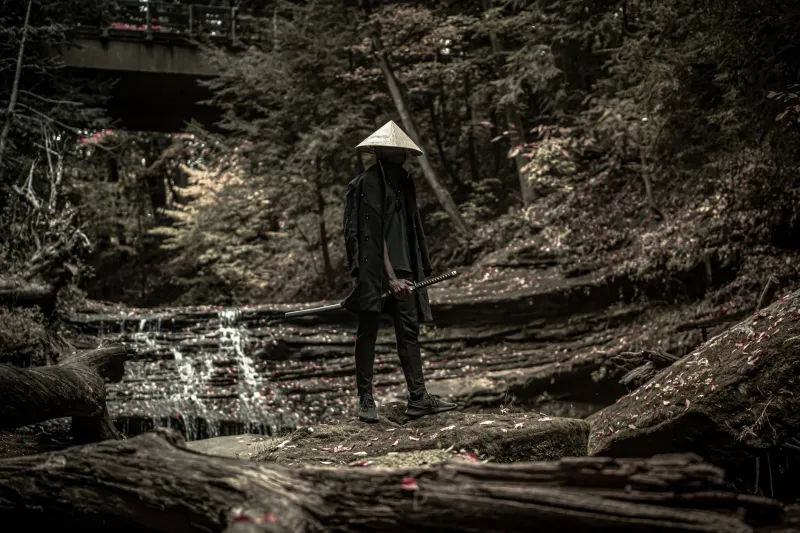
Walk through Sendai's Ichibancho shopping arcade on any given weekend and you'll spot something that doesn't quite fit the usual Japan travel brochure. Alongside the ramen shops and convenience stores, there are small boutiques and pop-up stalls selling things that feel genuinely hard to categorize — a tote bag with a geometric pattern that looks almost like a Supreme drop but is actually derived from a 400-year-old family crest, a hoodie screen-printed with a one-eyed general's silhouette rendered in a style that sits somewhere between ukiyo-e woodblock and contemporary streetwear. This is Sendai's design scene, and it's moving fast.
For a city that most Americans associate with samurai warlord Date Masamune and maybe a devastating earthquake, the creative energy here tends to catch visitors off guard. But locals will tell you the two things are connected. Sendai's identity has always been built on a kind of resilient reinvention — the city has been flattened and rebuilt more than once, and each time it comes back with sharper edges and a clearer sense of itself.
The Mon Moment
If there's one visual element that keeps showing up across Sendai's design landscape, it's the mon — the family crest. These geometric emblems, historically used to identify samurai clans, are having a serious renaissance among the city's younger creatives. Think of them as Japan's answer to a coat of arms, but with a visual minimalism that translates almost effortlessly into modern graphic design.
Several independent studios in the Kokubuncho and Honcho districts have built entire brand identities around reinterpreted mon imagery. One well-known local collective — the kind of low-key operation that runs out of a shared workspace and sells through Instagram — has spent years developing a streetwear line that takes the crescent moon motif from Date Masamune's iconic helmet and runs it through a process that references everything from Swiss modernist typography to 90s hip-hop logo design. The result looks like something you'd find at a boutique in Brooklyn's Williamsburg neighborhood, except the cultural DNA is unmistakably Tohoku.
"People think heritage means looking backward," one designer told a local arts publication. "But the samurai aesthetic was never static. It was always about projecting power through visual clarity. That's exactly what good design does now."
Lacquer, Linen, and the Art of Material Honesty
Sendai's design obsession doesn't stop at graphics. The city has a deep tradition of Sendai tansu — the ornate lacquered chests that were once status symbols among the merchant and warrior classes. Contemporary furniture makers and product designers in the area are pulling directly from that tradition, not by reproducing antiques, but by studying the underlying principles: the way lacquer builds up in layers to create depth, the hardware proportions, the relationship between bold decorative elements and clean structural lines.
A handful of small studios near Aoba Ward have started applying those principles to objects that feel thoroughly 21st century — minimalist phone stands, modular shelving systems, even bicycle accessories — finished with lacquer techniques passed down through local craftspeople. The effect is striking. These aren't pieces that scream "Japanese souvenir." They read as sophisticated, globally literate objects that happen to carry centuries of regional knowledge in their surfaces.
For American buyers used to Scandinavian-influenced minimalism dominating the design market, this stuff offers something different: warmth, depth, and a story that goes back to a specific place and time.
Fashion Week Doesn't Live Here, and That's the Point
Sendai will never be Tokyo. It doesn't have Harajuku's pedestrian runway or Shibuya's relentless trend churn, and the designers working here will tell you that's exactly why they chose to stay. There's a slower, more deliberate creative culture in Tohoku — one that values research, material integrity, and genuine regional rootedness over chasing whatever's trending on social media this week.
That deliberateness shows up in the work. Local fashion labels tend to operate on small production runs, work with regional textile suppliers, and release collections that feel more like design arguments than seasonal product drops. One women's wear brand based near Sendai Station has built a loyal following — including buyers from the US and Europe — by making garments that reference the layered, structured silhouettes of samurai armor without ever feeling like costume. The brand's signature piece is a structured jacket whose shoulder construction is directly informed by the way do (chest armor) distributes weight across the body. It's subtle enough that most wearers probably don't know the reference. That's the point.
Pop-Ups, Collabs, and the Community Glue
Some of the most exciting work in Sendai's design scene isn't happening in permanent storefronts at all — it's happening in the city's growing network of pop-up markets, collaborative exhibitions, and maker fairs. Events like the periodic creative markets held at Sendai Mediatheque (the city's stunning Toyo Ito-designed cultural center) bring together designers, illustrators, ceramicists, and apparel makers under one roof for weekend-long showcases that feel more like gallery openings than craft fairs.
These events have become genuine community infrastructure for the scene. They're where collaborations get started, where designers meet the textile suppliers and print shops that make their work possible, and where the conversation about what Sendai's visual identity actually means in the 21st century gets worked out in public. For visitors, they're also just a great way to pick up something genuinely original — the kind of piece that makes people back home ask "where did you get that?" and means it.
Why This Matters Beyond Sendai
There's a broader conversation happening globally right now about what it means for a place to have a design identity — one that's specific enough to be meaningful but flexible enough to travel. Cities like Detroit, Medellín, and Oaxaca have all become reference points for this kind of creative localism. Sendai deserves to be in that conversation.
What the city's designers are doing isn't nostalgia tourism. It's not about dressing up in period costume or selling reproductions to visitors. It's about taking a genuinely rich visual and material heritage — one that includes some of the most sophisticated craft traditions in Japanese history — and asking what it has to say to a world that's hungry for things with real roots.
The answer, increasingly, is: quite a lot. And if you haven't been paying attention, Sendai's creative community is just fine with that. They've been building something real while the spotlight was pointed elsewhere. That, too, feels very samurai.