The Quiet Places Nobody Tells You About: Finding Zen in Sendai's Hidden Temples and Gardens
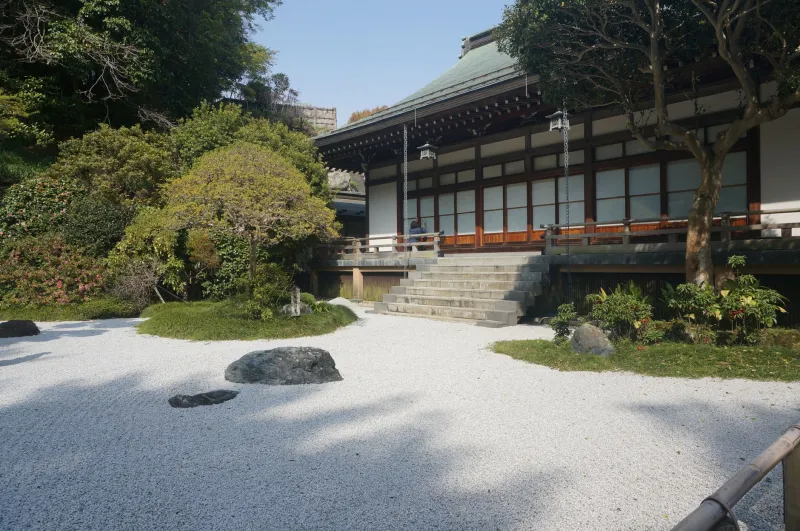
There's a particular kind of silence you only find in Japan. Not the absence of sound, exactly — birds still call, wind still moves through cedar branches, a distant bell still rings on the hour. It's more like the world has agreed, collectively, to slow down for a moment. To breathe.
Most Americans who go chasing that feeling end up in Kyoto. And look, Kyoto is beautiful. But it's also packed. You're sharing that Zen moment with three hundred other people taking the exact same photo. Sendai offers something different — a city with deep Buddhist roots, centuries of contemplative tradition, and almost none of the tourist infrastructure that turns spiritual spaces into theme parks.
If you're willing to wander a little off-script, Sendai will hand you the real thing.
Why Sendai's Spiritual Scene Flies Under the Radar
Sendai isn't typically sold as a spiritual destination. The city markets itself on samurai history, food culture, and its famous Tanabata Festival — all legitimate draws. But underneath that, there's a quieter layer. The Date clan, who ruled this region for centuries, were deeply connected to Buddhist practice, and that influence shaped the landscape in ways that are still visible today.
The hills surrounding the city — particularly the Aoba Ward area stretching toward the Hirose River — are dotted with temples and small shrines that have been quietly doing their thing for four hundred years. Local practitioners know them. Neighborhood residents know them. International tourists, largely, do not.
That's your opening.
Zuihoden and Beyond: Starting Point or Stepping Stone?
Most visitors who make it to Sendai's temple circuit stop at Zuihoden, the ornate mausoleum of Date Masamune. It's worth seeing — the lacquerwork alone is stunning — but it's also the most-visited site in the area, and it functions more as a historical monument than a contemplative space.
Use it as a warm-up, not a destination. The real finds are the smaller temples scattered along the forested hillside paths that branch away from the main complex. Entsuin and Kanrantei nearby are quieter, and early mornings — before 9 a.m. — are practically empty. The gardens at Entsuin in particular have a quality that stops you mid-step. Moss, stone, and a careful arrangement of light that feels almost architectural.
A local practitioner who leads occasional meditation walks in the area described it this way: "Most people walk through looking for the famous thing. They miss the spaces between the famous things. That's where the gardens actually live."
Rinno-ji: The Temple That Rewards the Detour
If you only make one effort to get off the main path, make it Rinno-ji Temple. Located in a residential pocket of Sendai that doesn't appear on most tourist maps, Rinno-ji is a working Zen temple with one of the most genuinely beautiful gardens in the Tohoku region. It's not a secret — locals know it well — but it's rarely crowded, and the experience of walking through it feels nothing like the managed flow of a major tourist attraction.
The garden was designed with contemplative movement in mind. You're meant to walk slowly, pause often, and let the composition shift around you as you move. Koi drift under a small wooden bridge. Maple trees — extraordinary in autumn — frame a central pond. A stone lantern that's been standing in the same spot for over a century catches afternoon light in a way that makes you understand, immediately, why the Japanese have a word for the emotional response to transient beauty.
The temple occasionally hosts zazen sessions open to visitors, including non-Japanese speakers. Schedules vary, so it's worth checking ahead or asking at your accommodation about current programming. Arriving without a reservation and simply sitting quietly in the garden is also entirely acceptable — and honestly, sometimes preferable.
The Practice of Just Sitting: Zazen for Beginners
For Americans unfamiliar with Zen Buddhist practice, the idea of a meditation session at a Japanese temple can feel intimidating. What do you wear? What do you do? Is it religious? Do you have to be Buddhist?
The short answers: comfortable, loose clothing; follow the monk's lead; it's a practice more than a doctrine; and no.
Most temples that welcome visitors for zazen are accustomed to people showing up with zero background. The point isn't theological fluency — it's learning to sit still with yourself for a period of time. In the American context, think of it as something between yoga and a digital detox, with significantly better architecture.
One monk at a Sendai temple who has hosted international visitors for years put it simply: "People come thinking they need to achieve something. Emptiness, peace, enlightenment. We tell them: just sit. Everything else is extra."
Practical Notes for the Spiritually Curious Traveler
A few things worth knowing before you go:
Timing matters more than you think. Early morning is almost always the best window for any temple visit in Sendai. The atmosphere is different — staff are going about their routines, incense is freshly lit, and you're not competing for space. Aim for 7–9 a.m. if you can manage it.
Dress modestly and move quietly. This sounds obvious, but it's worth stating. These are active religious spaces, not museums. Loud voices, large camera rigs, and rushing through gardens are all noticed and not appreciated.
Learn two or three phrases. Even a basic "shitsurei shimasu" (excuse me for intruding) when entering a space goes a long way. Temple staff in Sendai are generally warm toward visitors who show basic respect, even with a language gap.
Go without a schedule. The contemplative experience of these spaces is almost impossible to access if you're watching a clock. Give yourself at least two hours for any temple visit worth making, and ideally a full half-day if you're exploring a cluster.
Ask your hotel concierge specifically about local meditation programming. Sendai's tourism infrastructure is improving, and some hotels — particularly in the Aoba and Miyagino districts — have staff who know about current temple events that don't make it onto English-language websites.
What Sendai Gets Right That Kyoto Doesn't
Here's the honest comparison: Kyoto's spiritual sites are extraordinary, but they've been packaged for consumption. The experience has been optimized for visitors, which means it's been somewhat smoothed of the rough, authentic edges that make a spiritual encounter actually land.
Sendai hasn't done that. Partly because it doesn't need to — the city has enough other draws. Partly because the temples here are smaller and less famous. And partly, maybe, because the northern character of Tohoku is just less inclined toward performance.
What you get instead is something closer to the actual thing. A garden that exists because someone believed beauty was worth cultivating, not because it would photograph well. A meditation hall that's been used continuously for centuries, not restored for a tourism board. A silence that isn't staged.
That's harder to find than most people expect. In Sendai, it's still available — if you know where to look, and you're willing to be quiet long enough to receive it.