Loud, Weird, and Unapologetically Northern: Inside Sendai's Indie Music Underground
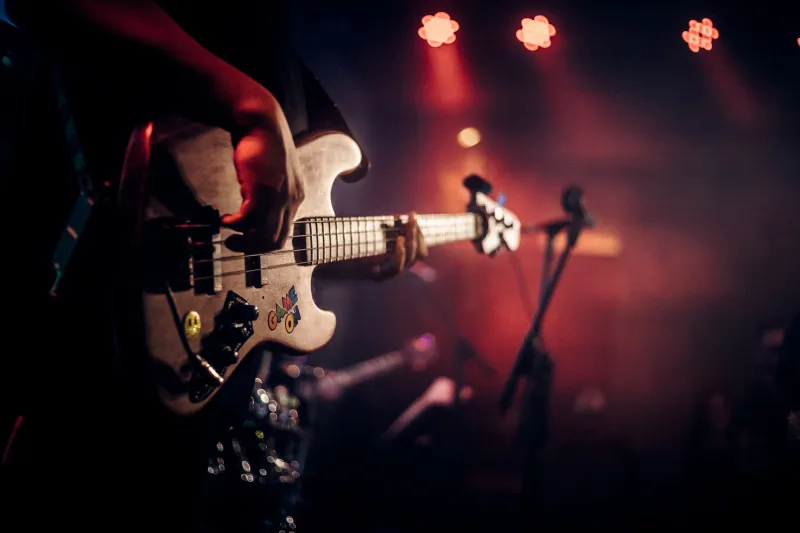
There's a moment that happens in small venues everywhere — that split second before a band kicks in, when the room gets just a little quieter and you can feel something about to happen. Sendai's live music spots are full of those moments. And yet somehow, most American music fans who make it to Japan never get further than Tokyo's Shibuya or Shinjuku circuit. That's a shame, because what's been quietly building in Sendai's basement clubs and converted storefronts over the past two decades is genuinely worth the Shinkansen ride north.
Sendai isn't a small city — it's the largest in the Tohoku region, home to over a million people and a massive student population that keeps the cultural energy churning year-round. That demographic mix matters. Young people with opinions, cheap rent by Japanese standards, and enough distance from Tokyo's tastemakers to stop caring what's cool down there — that's a recipe for a music scene that does things its own way.
The Venues That Built the Scene
Ask anyone embedded in Sendai's music world where it all happens, and Macana comes up almost immediately. Tucked into the city's entertainment district, Macana is the kind of venue that feels like it was designed by someone who actually loves live music rather than just the idea of it. The sound is dialed in, the stage is intimate enough that you're basically sharing the room with whoever's playing, and the booking philosophy leans hard into local and regional acts. It's not trying to be a stepping stone to somewhere bigger. It is somewhere.
Beyond Macana, the scene spreads across a handful of spots that each carry their own personality. Club Junk Box handles the larger indie and rock bookings, occasionally pulling in acts with national profiles while still keeping the door open for hometown bands. Shaft and Darwin fill out the mid-size tier, hosting everything from math rock nights to dreamy shoegaze sets on any given weekend. Then there are the truly tiny spots — places that seat maybe 60 people on a good night — where you're more likely to find something genuinely strange and interesting happening.
What ties these venues together isn't a shared aesthetic. It's more of a shared attitude: DIY first, industry logic second.
What the Music Actually Sounds Like
Sendai's scene resists easy categorization, which is part of what makes it interesting. You'll find bands deeply influenced by classic American indie rock — Pavement, Pixies, Modest Mouse — filtered through a Japanese sensibility that adds texture and restraint in unexpected places. You'll also find acts pushing into noisier territory, drawing on the legacy of Japanese noise rock pioneers while finding their own vocabulary.
The city has a particular affinity for what you might loosely call emotional precision — bands that are technically tight but emotionally raw, where the songs feel like they were written in a hurry and then practiced until the urgency was preserved rather than polished away. If you're a fan of American emo's second wave or the kind of post-punk that cares more about atmosphere than attitude, Sendai's bands will feel familiar and foreign at the same time. That tension is the good stuff.
There's also a strong current of experimental music running through the scene — artists working with electronics, field recordings, and improvisation alongside more conventional rock instrumentation. The university influence shows here. Tohoku University and several other major schools feed a steady stream of musically curious students into the city, and some of them end up staying, starting bands, and pushing the sound in directions that wouldn't necessarily survive the commercial pressures of Tokyo.
The DIY Ethos Is Real
One of the things that might genuinely surprise American visitors is how seriously the DIY infrastructure is taken here. Bands book their own shows, design their own merch, and maintain direct relationships with the venues rather than going through management layers. Flyers — actual physical paper flyers — still matter. Record stores like the ones clustered around Ichibancho and the Kokubuncho area stock local releases alongside international imports, and the staff at these shops are often plugged directly into the scene.
There's a Japanese concept called jishu seisaku — self-production — that captures some of this spirit. It's not quite the same as the American DIY tradition, but it rhymes with it in important ways. The emphasis is on ownership: of your sound, your image, your relationship with your audience. That independence tends to produce music that sounds like it couldn't have come from anywhere else, which is exactly what you want.
For visiting fans, this means that buying a CD or a cassette directly from a band after a show in Sendai carries real meaning. You're not buying merch. You're participating in an ecosystem.
When to Show Up
Sendai's live music calendar stays busy year-round, but a few windows are worth planning around. The fall semester at local universities brings a surge of new energy — September through November tends to see a lot of debut shows and newly formed bands testing the waters. The period around Sendai's famous Tanabata Festival in August draws larger crowds to the city, which sometimes means interesting one-off shows and collaborations happening alongside the more tourist-facing events.
Winter in Sendai is cold — genuinely cold in a way that makes outdoor festivals impractical — but that tends to concentrate energy indoors. January and February live music calendars are often surprisingly packed, as if the weather gives everyone permission to just stay in a basement and play loud.
If you're planning a trip and want to catch live music specifically, checking venue websites directly is your best bet. Most of Sendai's spots maintain active social media presences in Japanese, and even without fluency, the event listings are usually navigable enough to figure out dates and lineups.
Why This Should Matter to You
American music fans have a long history of finding their favorite sounds by looking sideways — discovering that the music they loved was actually in dialogue with scenes happening far from the obvious centers. The relationship between American indie rock and Japanese music has been quietly productive for decades, running in both directions, even when it wasn't always visible.
Sendai's scene is part of that conversation. It's not trying to replicate anything. It's responding to it, arguing with it, and occasionally ignoring it entirely in favor of something that makes more sense up here in the north, where the winters are long and the stages are small and the bands play like they mean it.
That's worth a detour. Trust us.