Small Batches, Big Ambitions: Sendai's Sake Brewers Are Quietly Rewriting the Rules
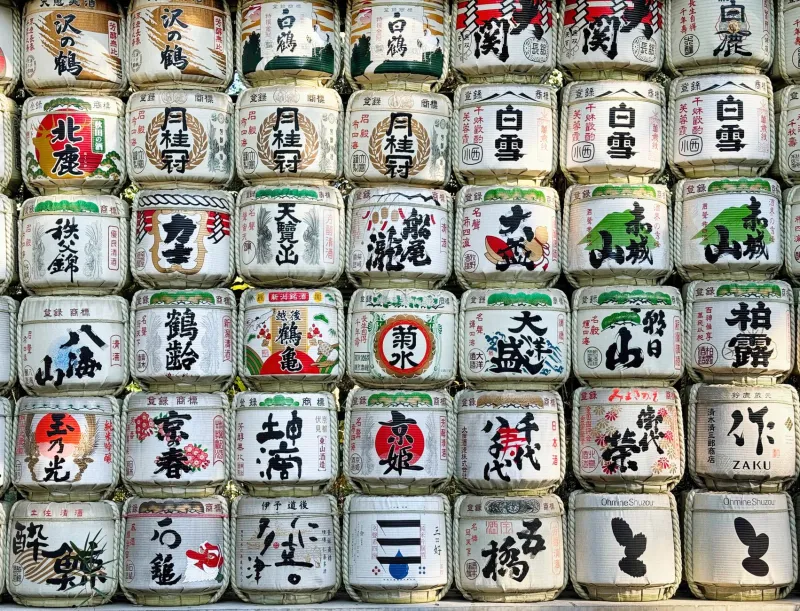
For the past decade or so, every conversation about Japanese spirits in the US has started and ended with whiskey. Yamazaki. Hibiki. The whole beautiful, peaty, barrel-aged canon. And look, that stuff is genuinely great. But while American drinkers have been scrambling to track down bottles of Nikka at their local specialty shop, something just as interesting — maybe more interesting — has been quietly happening in the rice paddies and cedar-lined brewhouses of Sendai.
Sake, the drink that built Japanese civilization and fueled samurai banquets, is having a renaissance. Not in Tokyo. Not in Kyoto. Right here, in Miyagi Prefecture, where the snowmelt is cold and clean, the rice is exceptional, and a stubborn cohort of brewers has decided that centuries-old technique is just the starting point.
Why Sendai, and Why Now
There's a practical reason Miyagi has always produced good sake: the water. The rivers flowing down from the Zao mountains carry some of the softest, purest water in Japan, and soft water produces sake with a delicate, refined character — the kind that doesn't club you over the head but instead opens up slowly, like a good Burgundy. Breweries in this region have been working with that water for hundreds of years.
But the current moment is about more than geology. It's about generational shift. Across Sendai and the surrounding towns, younger brewers — many of them trained in food science or fermentation technology, several with time spent studying abroad — have been returning to family operations and asking uncomfortable questions. Why are we making sake the same way we made it in 1970? Who are we actually making it for? What happens if we try something different?
The answers to those questions are showing up in glasses across the city, and they're genuinely surprising.
Fermentation Gets Experimental
Walk into one of the newer tasting rooms tucked behind Sendai's Ichibancho shopping arcade or out along the quieter roads toward Natori, and you'll encounter sake that doesn't quite fit the categories you learned from a sake 101 guide. Naturally sparkling nigori finished with local strawberries. Aged junmai with a sherry-like oxidative quality that would feel at home on a tapas bar in Seville. Unfiltered, unpasteurized bottles that change character week to week, almost like a living thing.
One approach gaining traction among Sendai's craft producers involves experimenting with local rice varieties that the major national brands have largely abandoned in favor of standardized brewing rice. Miyagi grows some excellent table rice — Hitomebore and Sasanishiki are beloved throughout Japan — and a handful of brewers have been running small batches using these everyday varieties, finding that the resulting sake has a rounder, more approachable quality that resonates with people who find traditional premium sake a bit austere.
Others are playing with fermentation temperatures, yeast strains, and aging vessels in ways that would have seemed almost heretical to older brewmasters. Ceramic tanks. Extended cold fermentation. Blending techniques borrowed loosely from the wine world. Not everyone pulls it off, but when it works, the results are unlike anything you'll find on the shelves at a Japanese grocery store in Los Angeles.
Sustainability Is Part of the Story
It's worth noting that a lot of these brewers aren't just chasing flavor novelty. There's a genuine environmental ethic running through much of Sendai's craft sake scene, one that connects to the region's complicated history with natural disaster and its ongoing relationship with the land.
Several producers have built relationships directly with Miyagi rice farmers, sourcing grain under contracts that prioritize reduced pesticide use and soil health. A few have invested in solar power for their brewhouses or are experimenting with ways to reduce the enormous water consumption that traditional sake production requires. It's not unlike what you've seen happen with craft beer in cities like Denver or Asheville — a sense that the product and the place are inseparable, and that taking care of one means taking care of the other.
For American drinkers who've come to expect a sustainability narrative from their craft beverage of choice, this framing makes Sendai sake feel immediately legible. It's not just a drink. It's a point of view.
How to Actually Experience It
If you're planning a trip to Sendai — and honestly, if you're reading this site, you probably should be — the sake scene is genuinely worth building time around. The city's Kokubuncho entertainment district has a handful of izakayas that take their sake lists seriously, with staff who can walk you through the regional producers and explain why a junmai daiginjo from a Sendai brewery tastes different from one made in Niigata or Hyogo.
But the more rewarding experience is getting outside the city center. Several of the smaller breweries in the Miyagi countryside have opened their doors to visitors on weekends, offering informal tours and tasting sessions that feel nothing like the choreographed winery experiences you might expect. You'll often end up sitting at a wooden table with the brewer themselves, drinking something that was pressed two weeks ago and talking about rice varieties like you're discussing grape clones in Napa. It's that kind of place.
The Sendai area also hosts occasional sake-focused events, particularly in the fall after the rice harvest, when breweries celebrate the start of the new production season. Checking local event listings before your trip is worth the five minutes it takes.
What This Means for the Bigger Picture
Japanese whiskey is still dominant in the American market, and that's not changing overnight. But the sake category has been growing steadily in the US for several years now, driven partly by the rise of Japanese restaurants in mid-sized cities and partly by a broader drinker curiosity about fermented beverages that aren't beer or wine.
Sendai's craft producers are well-positioned to benefit from that shift — if they can get their bottles in front of the right importers and sommeliers. A few already have. You can find small allocations of Miyagi craft sake at specialty Japanese grocery stores in New York and at a handful of forward-thinking bottle shops in cities like Seattle and Chicago, where the Japanese food culture runs deep.
The brewers themselves tend to be modest about international ambitions. They're making sake for people who appreciate it, wherever those people happen to be. But there's a quiet confidence in the work — a sense that they've figured something out that the big national brands, for all their marketing muscle, haven't quite managed.
Sendai has always been a city that does things its own way. Turns out that includes how it ferments rice.