The Temples Nobody Photographs: Finding Sendai's Quietest Sacred Spaces
Zuihoden, Sendai's ornate mausoleum for the samurai lord Date Masamune, is magnificent. It's also, on a busy weekend, packed with tour groups, audio guide headsets, and people jostling for the same shot of the lacquered gates. It should be on your list. But it shouldn't be the whole list.
Because somewhere in the gap between the famous sites and the truly obscure, Sendai hides a different kind of sacred space — smaller, older in feeling if not always in age, and frequented almost entirely by people who live nearby. These are the temples and shrines that don't appear in most guidebooks, don't have English signage, and don't particularly want more visitors. And yet they're the places where the city's actual spiritual life plays out, quietly, every single day.
For American travelers who've started to feel like traditional tourism is missing something, these spaces offer a different kind of encounter with Japan.
What Makes a Temple "Forgotten"?
It's worth being clear about what we mean. Sendai's lesser-known sacred sites aren't ruins or abandoned places — they're active, living spaces of worship that simply haven't been absorbed into the tourism economy. The distinction matters.
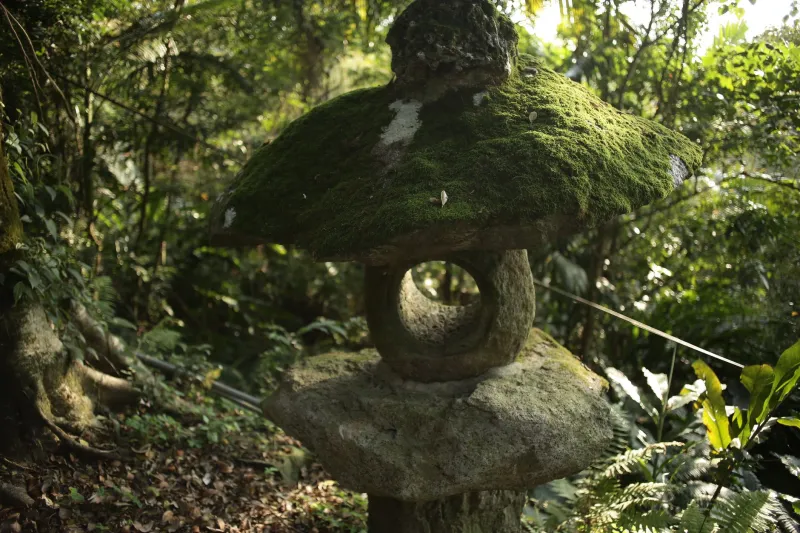
A forgotten temple in Sendai might be a small Shinto shrine wedged between residential streets, its torii gate worn to a soft orange-red, a stone fox guardian half-covered in moss. It might be a Buddhist sub-temple attached to a larger complex, accessible through an unmarked side gate, with a meditation garden that sees maybe a dozen visitors on a given weekday. It might be a hilltop site reachable only by a steep path through cedar trees, where the only sound is wind and the occasional crow.
What these places share is an absence of performance. Nobody is presenting the site to you. There's no narrative, no context panel, no gift shop. You're simply present in a place that has been used for prayer and reflection for a very long time, and that use continues whether you're there or not.
The Philosophy Behind the Quiet
In both Shinto and Buddhist tradition, the physical environment of a sacred site isn't incidental — it's integral. The location of a shrine or temple, its relationship to the surrounding landscape, the way light enters a particular courtyard at a particular hour: these are deliberate choices made by people who understood that the body and the spirit respond to physical space.
Sendai's geography lends itself to this thinking. The city is threaded with rivers and ringed by forested hills that local residents have long treated as spiritually significant. Many of the lesser-known temples sit at the edges of these natural features — on hillsides, beside streams, under old-growth trees — in positions that feel chosen rather than convenient.
Rev. Taro Fujimoto, a Buddhist priest who oversees a small temple in the Aoba ward, explains it in terms that translate well for Western visitors: "We say that certain places hold ki — a kind of energy or presence. You don't manufacture that. You find where it already exists and you build something there to help people pay attention to it."
For American seekers familiar with concepts like sacred geometry or the idea of liminal spaces, this framework isn't hard to grasp. The experience of standing in one of these sites — particularly in the early morning, before the city has fully woken up — tends to make the concept feel less abstract.
A Few Places Worth Seeking Out
We're being deliberately vague about exact addresses here, partly because these sites deserve the slight effort of finding them and partly because flooding them with GPS-equipped tourists would defeat the purpose. But we can point you in the right direction.
The sub-temples of Rinno-ji in the Kitayama area are a good starting point. Rinno-ji itself is moderately well-known, but the smaller structures on its grounds — accessible by wandering the paths that branch off from the main buildings — receive a fraction of the foot traffic. Early morning visits, when monks are completing their daily routines, offer a window into practice that feels genuinely unperformed.
The hillside shrines above Aoba Castle are reachable by a walking path that most visitors skip in favor of the castle ruins themselves. The path climbs through forest, passing small stone markers and offering periodic views of the city below. The shrines at the top are modest — a wooden structure, a rope with paper streamers, a stone basin for ritual water — but the setting amplifies everything.
Toshogu Shrine in Tsutsujigaoka is sometimes mentioned in guidebooks but rarely visited with any depth. It's a quieter counterpart to Nikko's famous Toshogu — same dedication, fraction of the crowds. The surrounding park has a quality of stillness that's rare in an urban setting.
How to Visit Without Being That Tourist
A note on conduct, because it matters. These sites are not attractions — they're working places of worship. The people you encounter there are not props in your experience. A few principles:
Bow slightly when you enter a shrine gate. Approach ritual spaces quietly. If a purification basin (temizuya) is present, use it — rinse your hands before proceeding. Don't photograph people in prayer without permission, and honestly, consider putting the camera away entirely for at least part of your visit.
If you encounter a priest or caretaker, a simple nod and a quiet demeanor communicate respect more effectively than any phrase from a translation app.
The reward for this kind of attentiveness is real. When you're not busy documenting, you start to notice things — the smell of incense carried on a breeze, the particular quality of light through cedar branches, the sound of a wooden bell striker. These details don't show up in photographs anyway.
Why American Seekers Specifically Might Connect Here
There's a particular kind of American traveler — not necessarily religious in any conventional sense — who arrives in Japan looking for something they can't quite name. They've read about Zen. They practice yoga. They've been to meditation retreats. They're interested in the spiritual without being committed to any specific tradition.
Sendai's quieter temples are well-suited for this kind of visitor, precisely because they don't demand anything specific. You don't need to be Buddhist or Shintoist to sit in a garden designed for contemplation and feel something shift. The spaces do the work. Your job is just to show up and be quiet.
In a travel culture that increasingly rewards the loud, the photogenic, and the optimized, there's something almost radical about a place designed for exactly the opposite. Sendai's forgotten temples aren't hidden because they failed to attract attention. They're hidden because some things are better experienced than promoted.
Go find them. Take your time. Leave the phone in your pocket for an hour. See what happens.