One-Eyed Dragons and Otaku Dreams: Sendai's Wild Double Life as a Samurai City and Pop Culture Hotspot
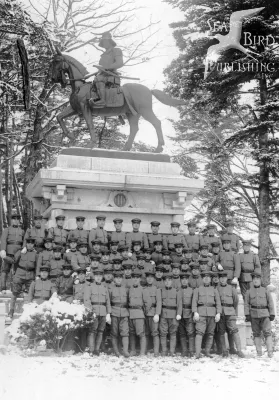
Photo: Unknown authorUnknown author, Public domain, via Wikimedia Commons
There's a moment that happens to a lot of first-time visitors to Sendai. You're standing in front of the bronze statue of Date Masamune at Aoba Castle — the one-eyed feudal lord on horseback, looking imperiously over the city he founded — and you realize you've seen this image before. Not in a history book. In an anime.
That overlap, where samurai legend bleeds into pop culture iconography, is basically Sendai's whole deal right now. And it's one of the most interesting things happening in Japanese tourism that most Americans haven't caught onto yet.
The Legend That Started Everything
To understand why Sendai sits at this particular intersection of old and new, you have to start with Date Masamune, because everything in this city eventually circles back to him.
Masamune became lord of the Date clan at 17 and spent the next several decades expanding his territory through a combination of military genius and political cunning. He lost his right eye to smallpox as a child — some accounts say he had it removed himself to prevent it from being used against him in battle, though historians debate this — and the resulting mystique earned him the nickname "Dokuganryu," or One-Eyed Dragon.
He's essentially the perfect anime protagonist. Dramatic backstory, distinctive visual design, complex morality, outsized historical impact. It's not surprising that he's appeared as a character in multiple manga, video games, and anime series over the decades. The Sengoku Basara franchise, a wildly stylized take on Japan's warring states period, made Masamune a breakout character — complete with six swords and an inexplicable fondness for English phrases — and introduced him to a generation of fans who then went looking for the real thing.
Some of those fans ended up in Sendai.
Anime Pilgrimages: A Real and Growing Tourism Category
If you're not deep into anime culture, the concept of "seichi junrei" — sacred land pilgrimage, or anime pilgrimage — might be new to you. It's the practice of traveling to real-world locations that served as inspiration for or appeared in anime and manga. Think of it as the Japanese equivalent of visiting the filming locations from your favorite TV show, except with a dedicated fanbase that creates detailed maps, shares photos recreating specific scenes, and sometimes genuinely transforms local economies.
Sendai has become a notable destination on this circuit for a few reasons. The city and its surrounding Tohoku region have served as inspiration or setting for several well-known series. Anohana ("Ano Hi Mita Hana"), *The [email protected]", and elements of various visual novels have drawn fans to the region. But the bigger draw is the Masamune connection, which functions as a gateway for fans of historical anime and the broader sengoku genre.
Local tourism operators have gotten smart about this. There are now dedicated routes for anime fans visiting Sendai, connecting historical Masamune sites with contemporary pop culture landmarks. The city has leaned into it rather than treating it as a novelty.
Manga and Gaming Culture in a Samurai City
Sendai's pop culture infrastructure has grown steadily over the past decade. The city has developed a cluster of manga cafes, gaming centers, and specialty shops that cater to both locals and visiting enthusiasts. These aren't tourist traps — they're the genuine ecosystem of Japanese otaku culture, the kind of places where you can spend three hours reading manga in a private booth with unlimited soft drinks and emerge feeling like you understand something important about modern Japan.
The shopping arcade at Ichibancho — a covered pedestrian mall that's been a Sendai institution for generations — now mixes traditional confectionery shops and clothing boutiques with anime merchandise stores and retro gaming outlets. It's a genuinely weird and delightful combination, and it captures something true about how Sendai operates: old and new don't compete here, they coexist with surprising ease.
For American travelers who associate manga and anime primarily with online streaming and convention culture, walking into a well-stocked specialty shop in Sendai is a different experience entirely. The physical culture of Japanese pop media — the doujinshi (self-published fan comics), the figure collections, the limited-edition regional merchandise — is something you can only really encounter in person.
The Museum Scene: More Than You'd Expect
Sendai punches above its weight in terms of museums, and several of them speak directly to this dual historical and contemporary identity.
The Sendai City Museum covers the Date clan era in depth, with armor, weapons, and artifacts that feel genuinely alive rather than dusty. Masamune's personal effects — including his famous crescent moon helmet — are displayed here, and seeing the actual objects associated with a figure who's become a pop culture icon is a strange and affecting experience.
The Miyagi Museum of Art takes a different angle, with a collection that includes significant works of modern and contemporary Japanese art alongside Western pieces. It's not exclusively pop culture-focused, but the museum's programming frequently engages with contemporary visual culture, including illustration and design traditions that connect to manga aesthetics.
Why This Matters for US Travelers
Here's the honest pitch: if you're an American who loves anime and has always wanted to visit Japan but felt intimidated by the scale of Tokyo or the tourist density of Kyoto, Sendai is a genuinely compelling alternative entry point.
The city is large enough to have real infrastructure — good hotels, diverse restaurants, reliable transit — but compact enough that you're not constantly overwhelmed. The English-language support for tourists has improved dramatically. And the specific combination of deep samurai history and living pop culture means that whether you're coming for the history or the anime, you're going to find more than you expected.
The shinkansen from Tokyo to Sendai takes about 90 minutes and costs roughly $50-60 USD each way, making it an easy addition to any Japan itinerary rather than a separate trip.
The One-Eyed Dragon's Long Shadow
Date Masamune died in 1636, but his presence in Sendai is not remotely historical. He's on the local baseball team's merchandise. He appears in city tourism campaigns. His helmet design shows up on everything from keychains to sake bottles. And every year, fans of Sengoku Basara and similar franchises make the trip to Aoba Castle specifically to stand where he stood and feel whatever it is people feel when fiction and history collapse into the same moment.
Sendai figured out something that a lot of cities are still struggling with: that honoring your history and embracing contemporary culture aren't opposing forces. The one-eyed dragon has always been larger than life. These days, he's also animated.